Wow, it sure has been a whirlwind of a few weeks. I moved, shut down the store front temporarily while I work on business stuff, and the world is a frightening and uncertain place! I can't get any of the tariffs I paid back! wah wah!
Where all of these projects?!
Store Front
This will be back up after I finish doing LLC formation for DCHT.
LiDAR Detector
Breadboard prototypes work, PCB Prototypes ready to order. I submitted a CFP about it.
EMP
Working on a blog post for work that involves it. Hoping to make this marketable soon but I need to finish settling into the new space first.
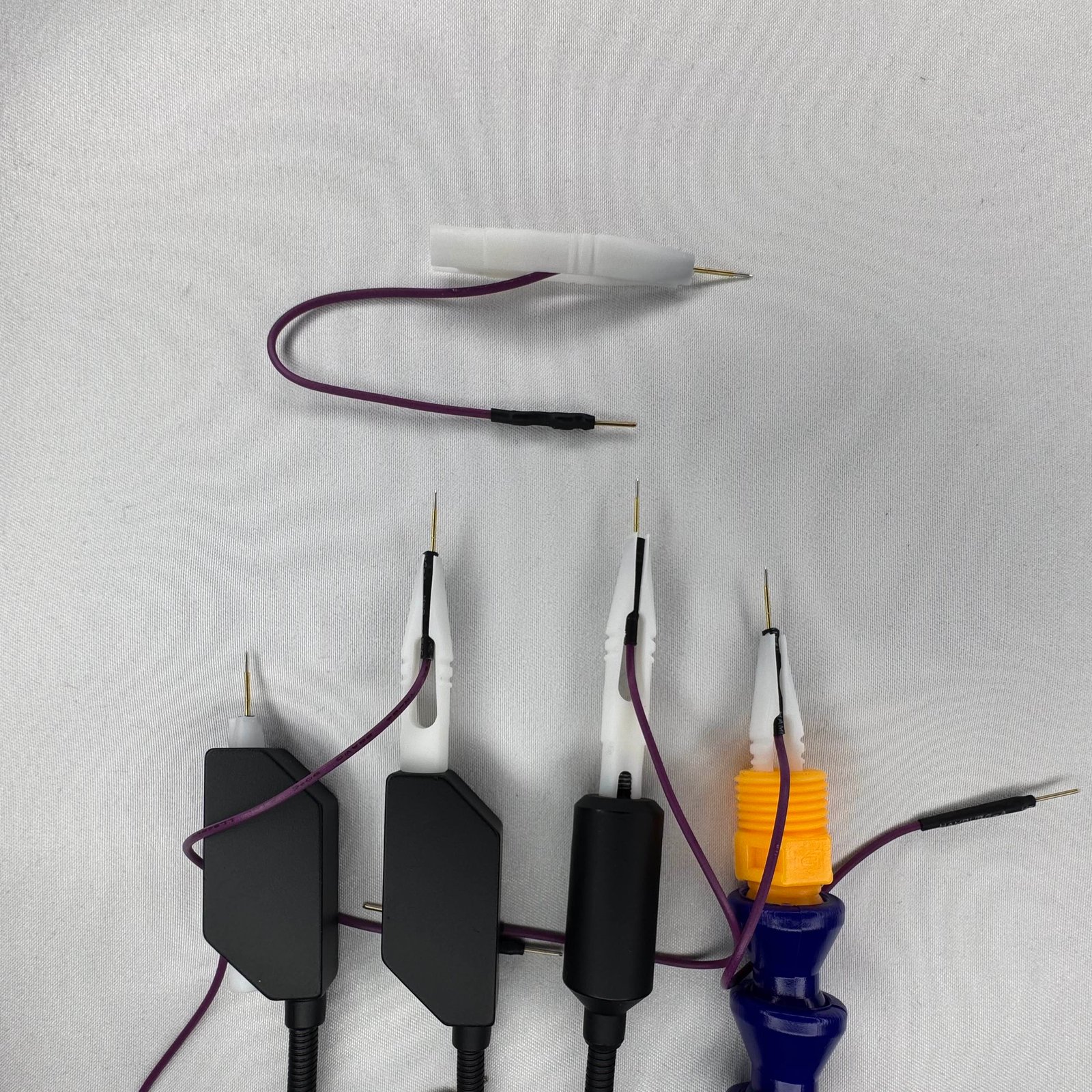
Probe
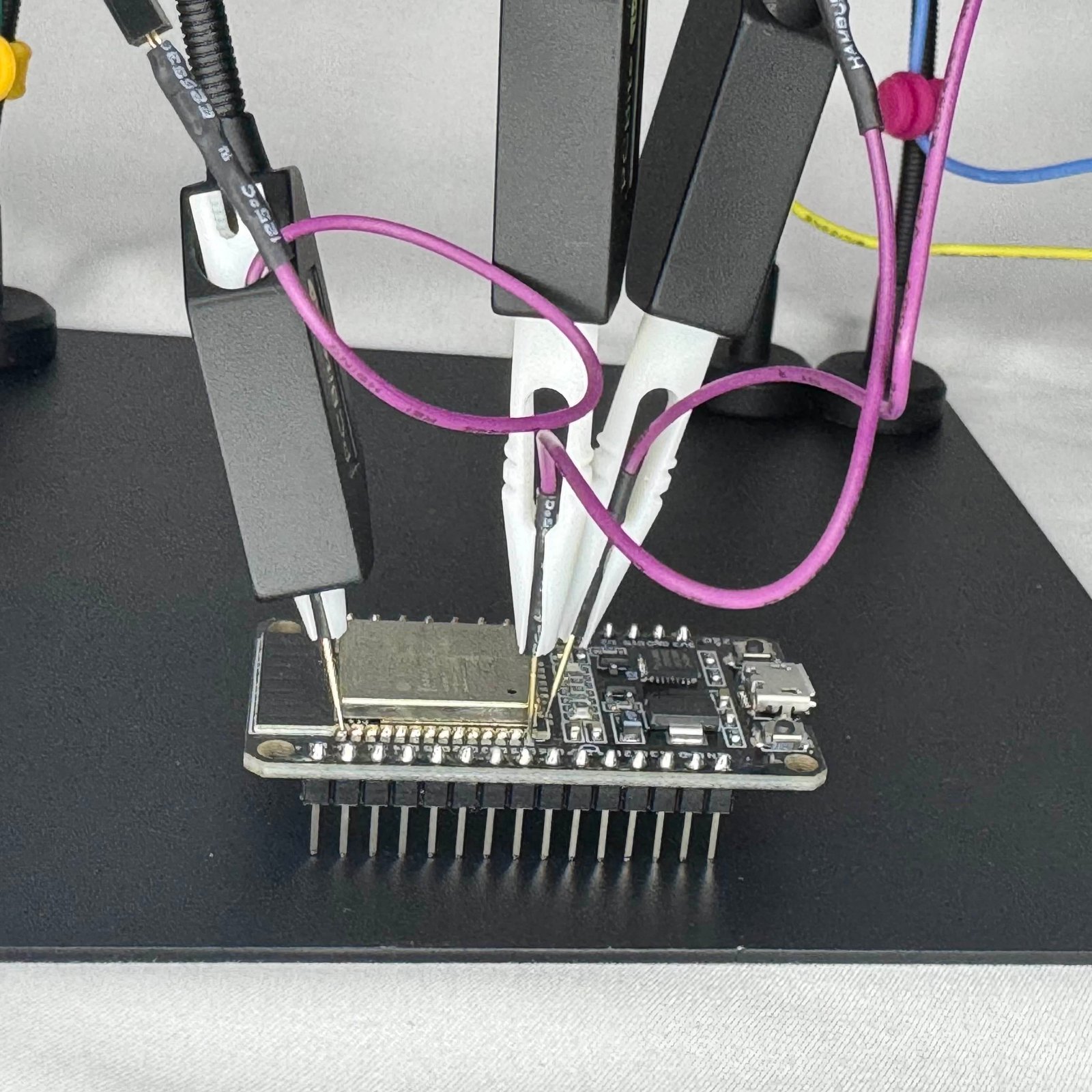
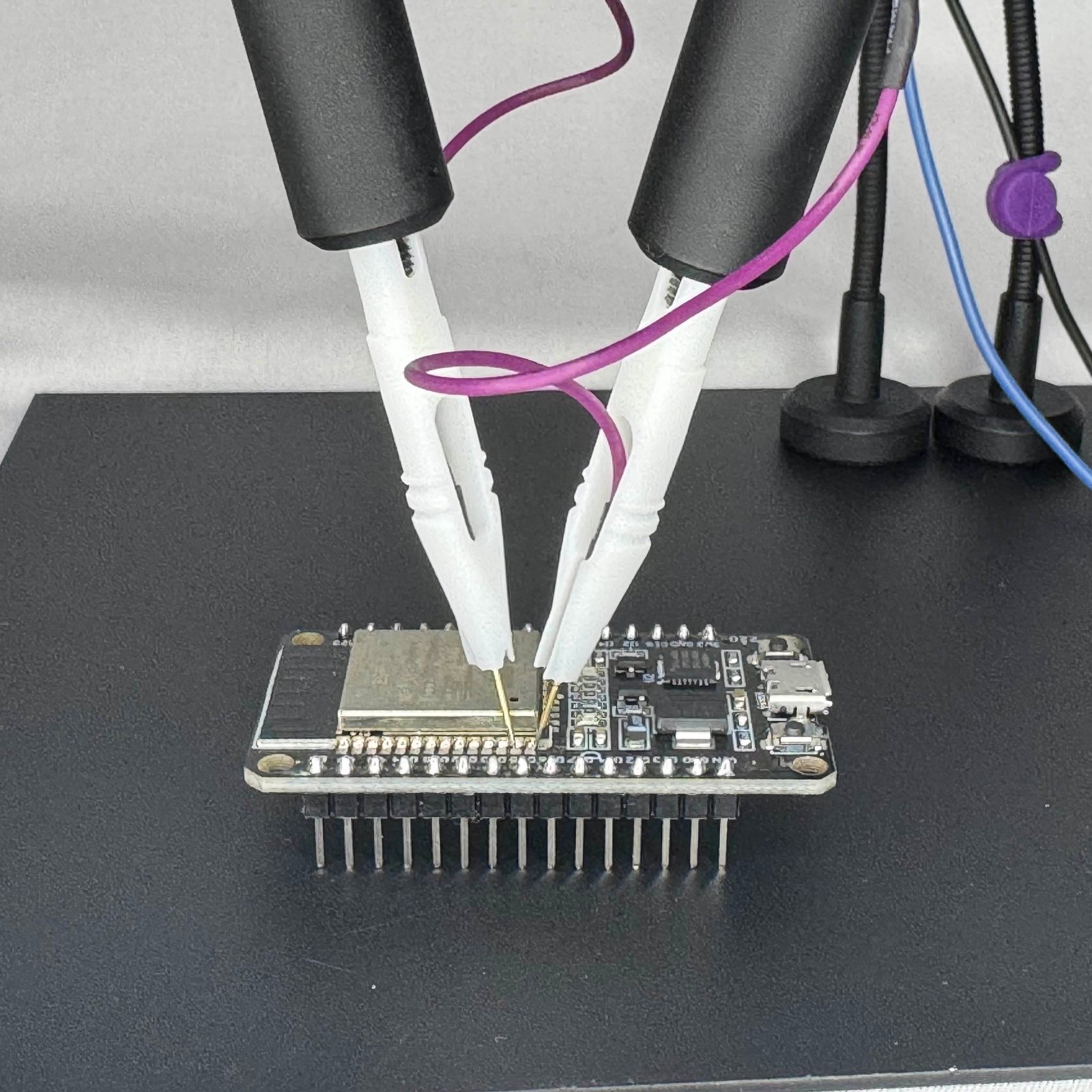
V2 of these are out, when the store front is back up they will be orderable again. I will have them for pickup at DEF CON again this year.
JTAG Adapter
Same, available when the store front is back up and at DEF CON.
Mesh Casino Badge
I have been working on code for this while moving since I can do that with just a laptop. Still very early in the works.
Payphone Backpack, BananaPhone, Dialer
These are still in the works, I should have an early working prototype ready in time for DEF CON but do not yet have a plan for how to get it there if I do.
The Dirt Cheap LiDAR Detector is an small device which uses PIN silicon infrared diodes, a Schmitt Trigger, and some math to detect the TrueDepth Dot Grid Lattice LiDAR projected from the backs of iPhone Pros, and possibly other LiDAR sources too!
I originally made this because Samy Kamkar inspired me with his laser mic talk and then fellow hackers at DEF CON discouraged. I did it anyway after pointing my phone at a flipper zero a few months later and remembering all of that.
I wrote a couple of blog posts for my day job employer about the hardware and firmware design process, you can read those here and here.
Final Design Features
Can operate standalone (USB-C)
Plugs into the Flipper Zero (requires 5V rail and installing an app I made)
6 discrete IR Pin silicon photodiodes with individually tunable gains
iPhone Pro TrueDepth LiDAR detection (but you could hack it to detect most any kind of 940nm IR signal maybe!)
Detection Indication via RGB and Discrete LEDs, Interrupt Pin, and Serial
Final Design Prototype
TODO upload pictures
When can I get one?!
Project State
Concept
Design phase
Testing
Blog Posts for Work
Feature Creep, add flipper headers, dazzle LEDs, fancy up design and UI
The Dirt Cheap Probe Arm is a handsfree probe arm which combines the convenience and ease of use of a magnetic base and flexible arm with the stability and resistance to falling of a rigid frame. The arm features M4 screw terminator to which probe heads can be mounted. The following heads are directly supported:
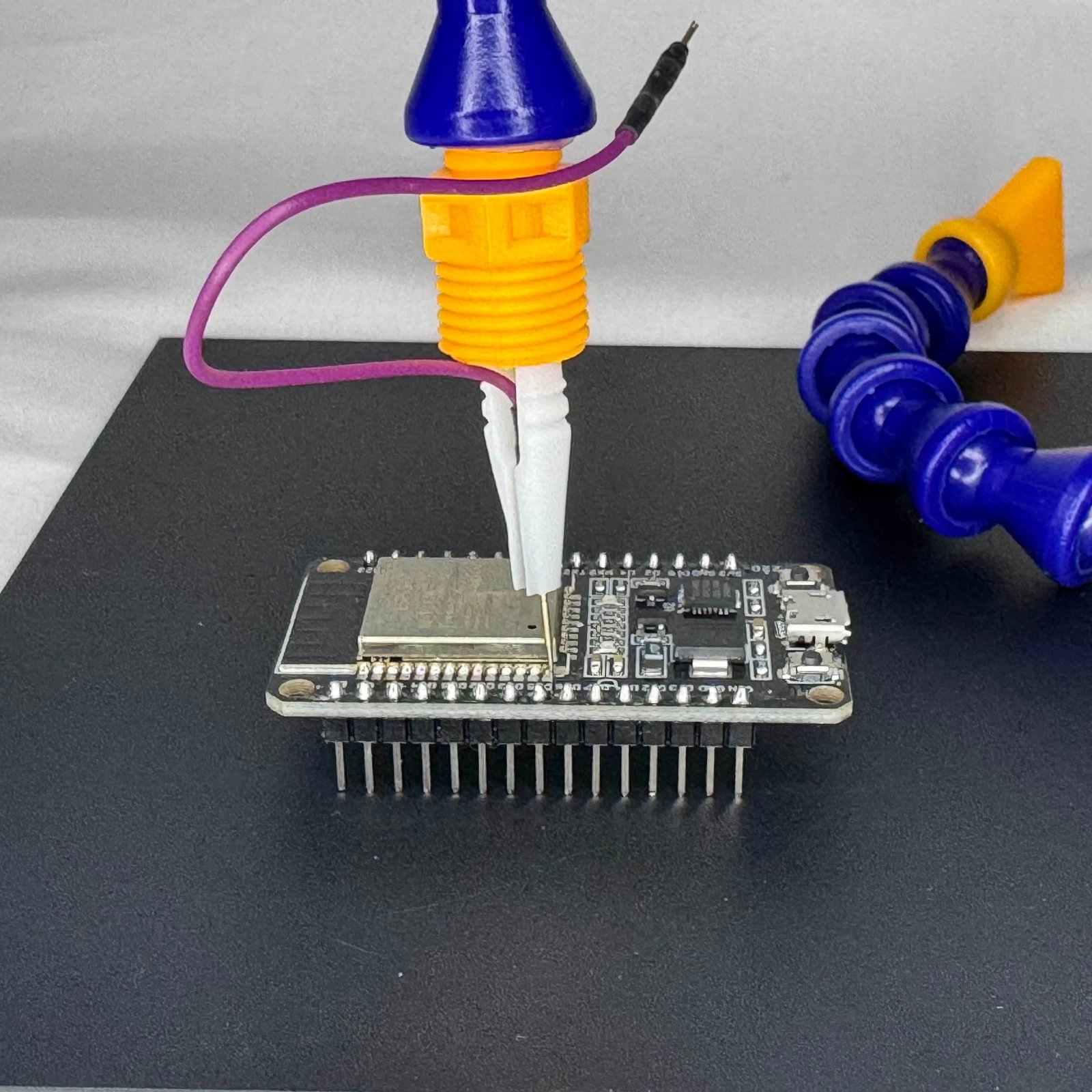
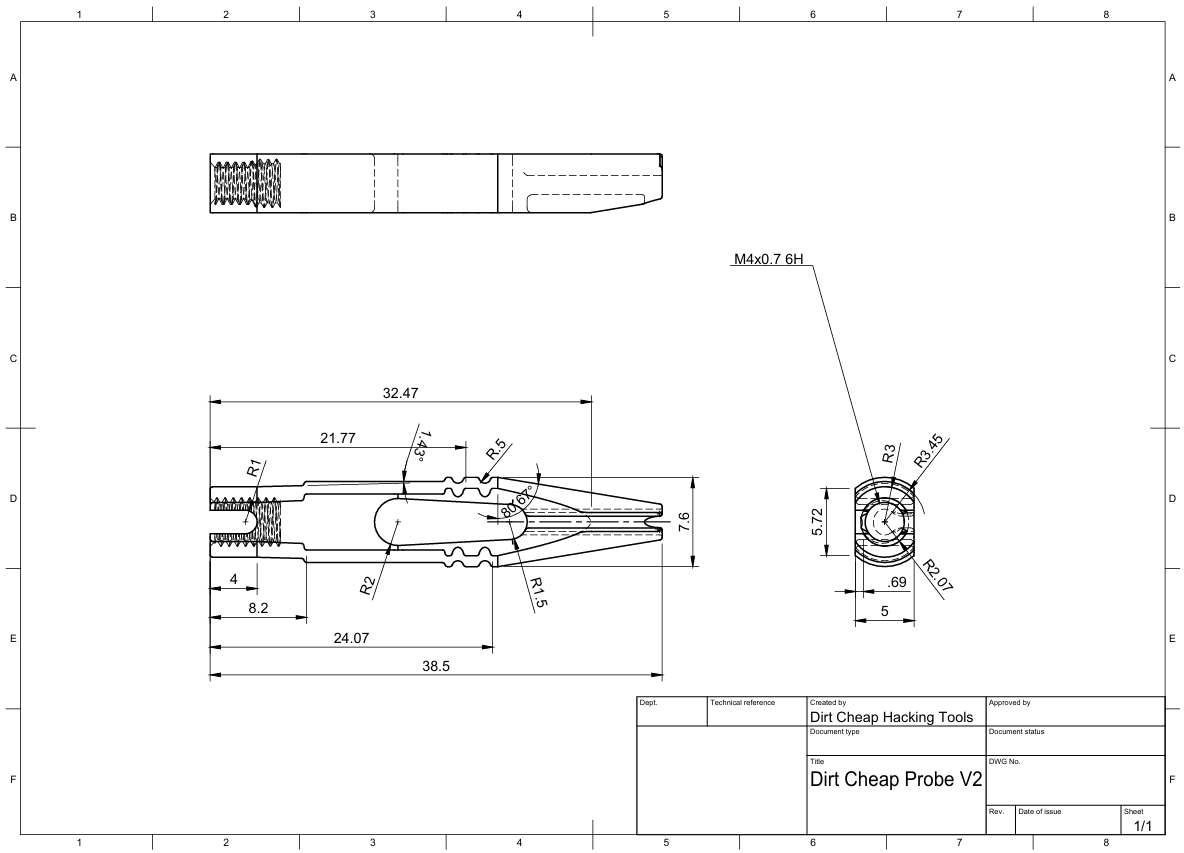
The Dirt Cheap Probe is a low-cost high-quality probe head for third-hands like SensePeeks SP/SQ series and more common 4mm screw and air nozzle style third hands. These heads feature premium Schmartboard jumpers and P50B sharp pogo pins, and are easily end-user serviceable.
We released V1 back before DEF CON 32, and have received feedback and noticed some areas where we could improve in our own testing, and have been working on a new design for V2 we are releasing in Q1 2026!
V2
Redesigned for a shorter reach and a lower center of gravity while still maintaining compatibility with as many third-hand arms as we could find! Available now!
Technical Details
Drawing
Known Fits
SensePeek SP10
SensePeek SQ10
M4 Bolt Generic
Loc Line Nozzle ¼”
Most Generic Third Hands Available On Amazon and Ali Express
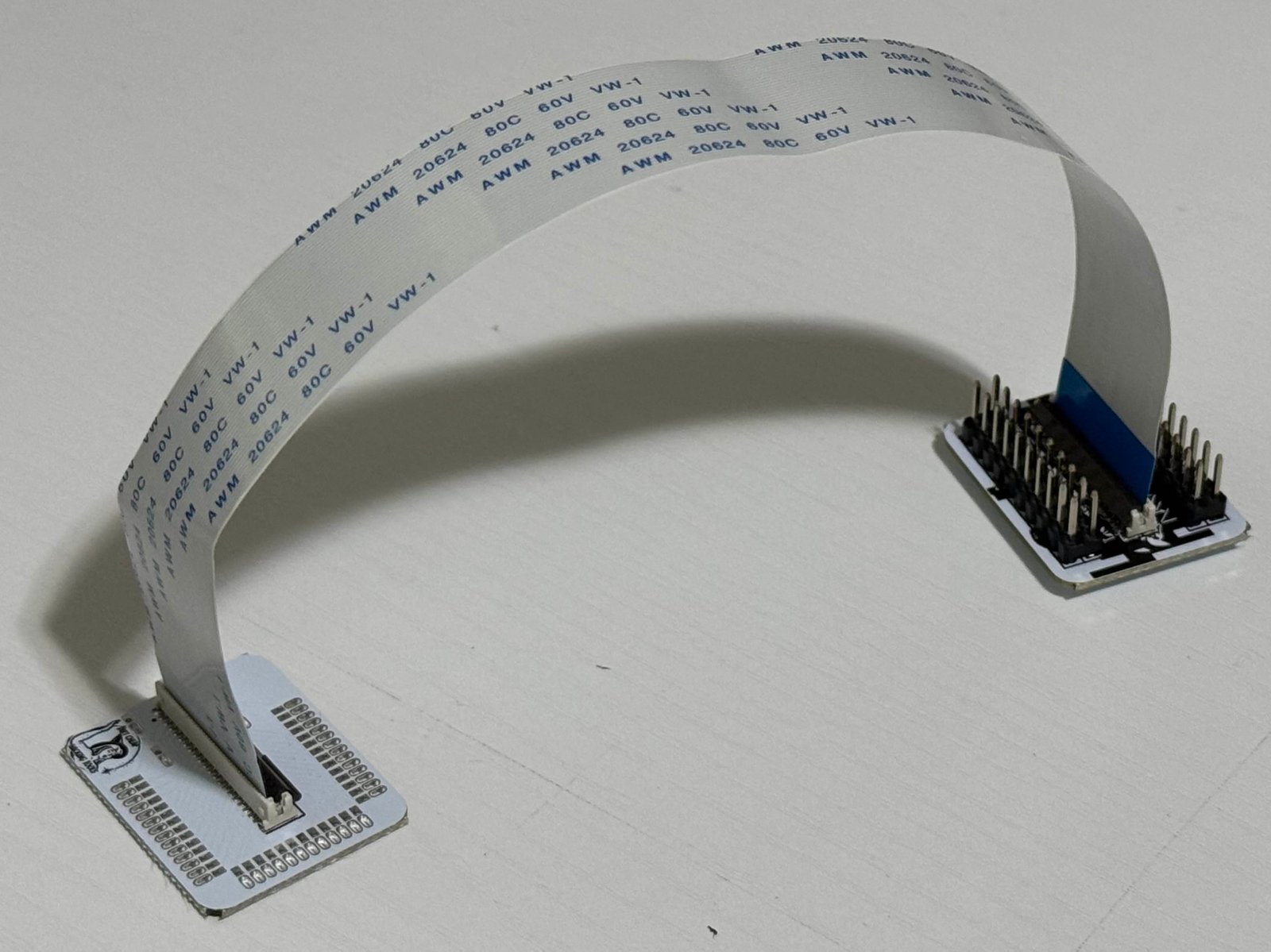
The ESP32anza is a clip-on debugging harness for common ESP32 SoMs. The design leverages FlexyPins to achieve an easy to apply and remove clip which can be applied directly to the castellated edges of the ESP32 SoM. Access to the pins is exposed via second board connected via FPC which provides plain 2.54mm pin headers for all target device pins.
The Dirt Cheap Dialer is a retro pocket tone dialer designed around a SAMD21, LiPo battery, amplifier, and a speaker. The device features a full 12-button keypad, visual display, touchpads, rocker switches, and lots and lots of LEDs. Small enough to be kept in the pocket, but beautiful enough to want to wear on a lanyard.