Dirt Cheap EMP Is Happening!
We are taking the Dirt Cheap EMP product page down in the storefront as we will be launching it through CrowdSupply instead!
Stay tuned for updates
We are taking the Dirt Cheap EMP product page down in the storefront as we will be launching it through CrowdSupply instead!
Stay tuned for updates
The Dirt Cheap LiDAR Detector is an small device which uses PIN silicon infrared diodes, a Schmitt Trigger, and some math to detect the TrueDepth Dot Grid Lattice LiDAR projected from the backs of iPhone Pros, and possibly other LiDAR sources too!
I originally made this because Samy Kamkar inspired me with his laser mic talk and then fellow hackers at DEF CON discouraged. I did it anyway after pointing my phone at a flipper zero a few months later and remembering all of that.
I wrote a couple of blog posts for my day job employer about the hardware and firmware design process, you can read those here and here.
TODO upload pictures
The Dirt Cheap Probe Arm is a handsfree probe arm which combines the convenience and ease of use of a magnetic base and flexible arm with the stability and resistance to falling of a rigid frame. The arm features M4 screw terminator to which probe heads can be mounted. The following heads are directly supported:
Coming soon...
These Probes Fit Everything!
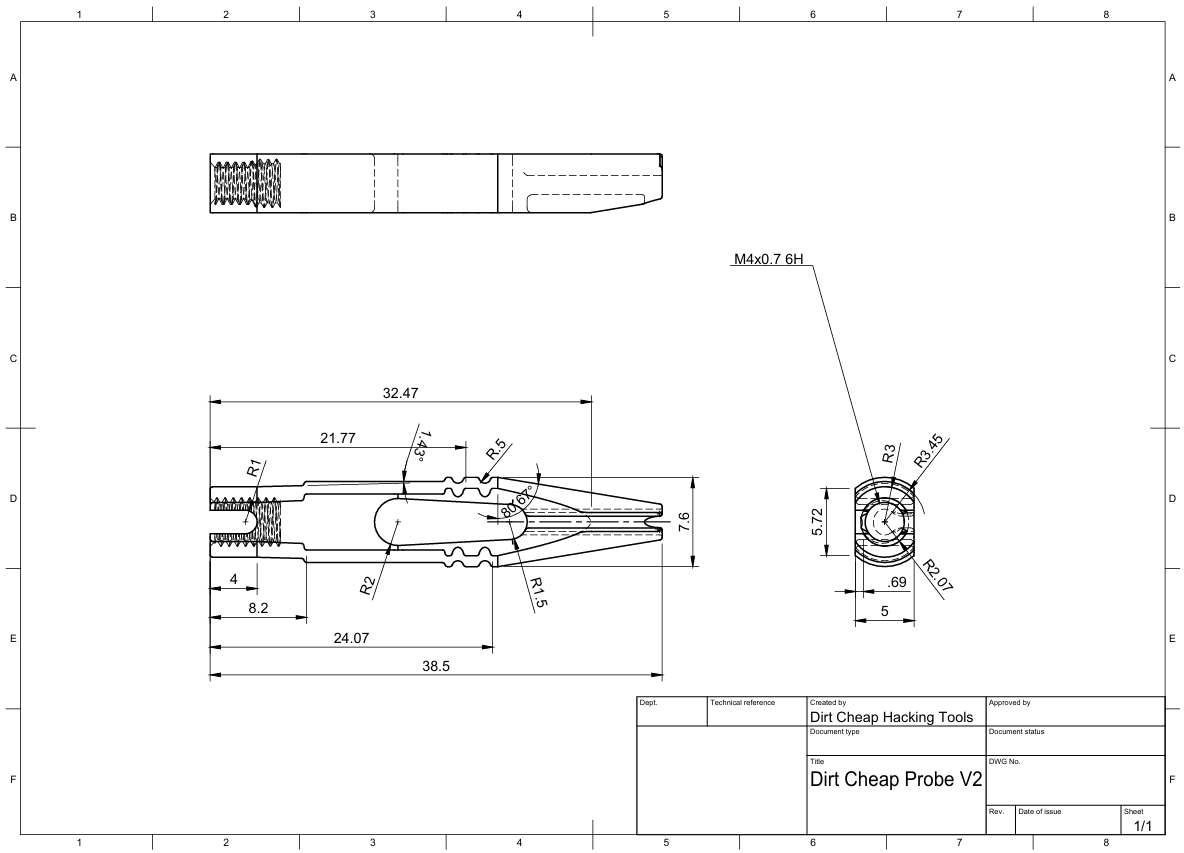
The Dirt Cheap Probe is a low-cost high-quality probe head for third-hands like SensePeeks SP/SQ series and more common 4mm screw and air nozzle style third hands. These heads feature premium Schmartboard jumpers and P50B sharp pogo pins, and are easily end-user serviceable.
We released V1 back before DEF CON 32, and have received feedback and noticed some areas where we could improve in our own testing, and have been working on a new design for V2 we are releasing in Q1 2026!
Redesigned for a shorter reach and a lower center of gravity while still maintaining compatibility with as many third-hand arms as we could find! Available now!
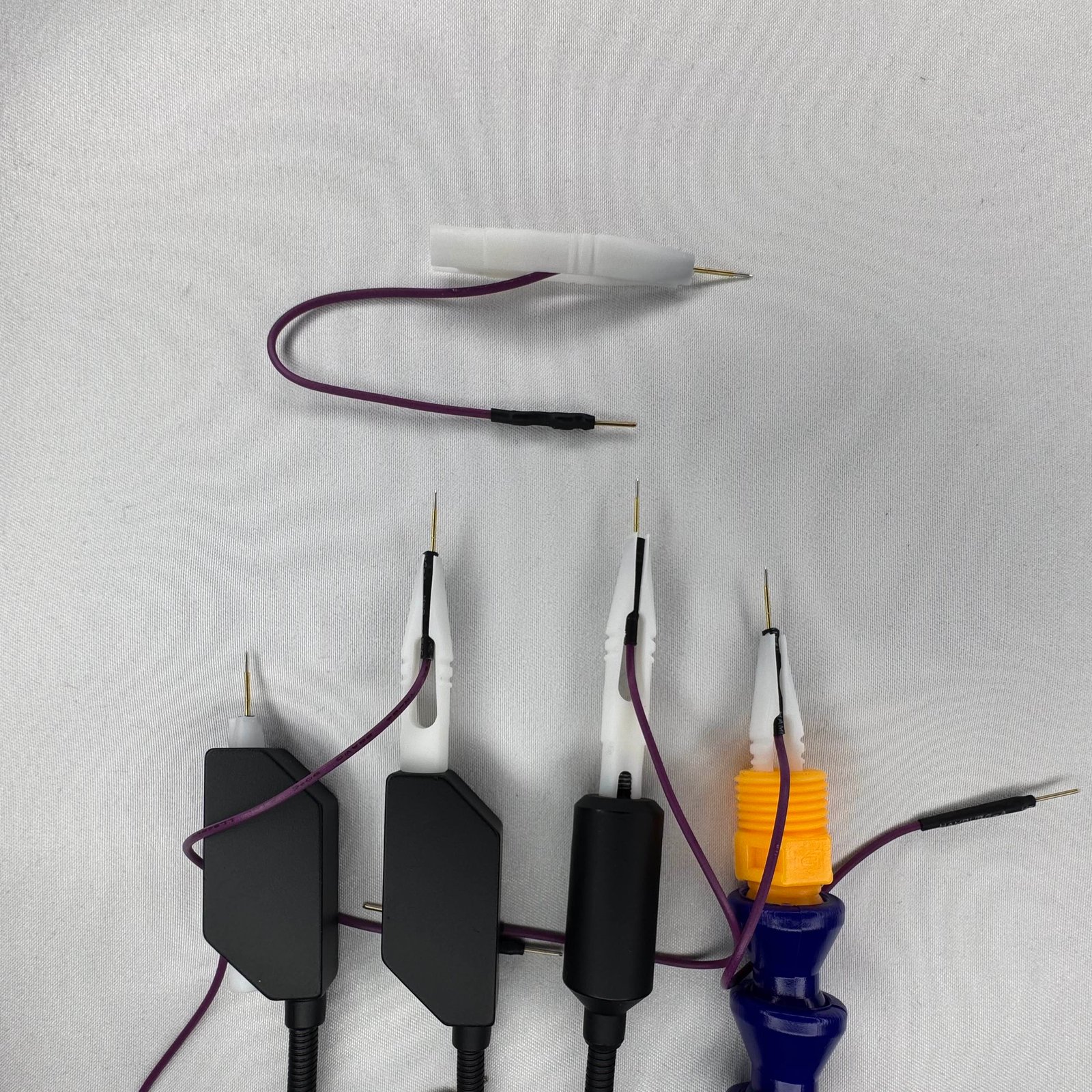
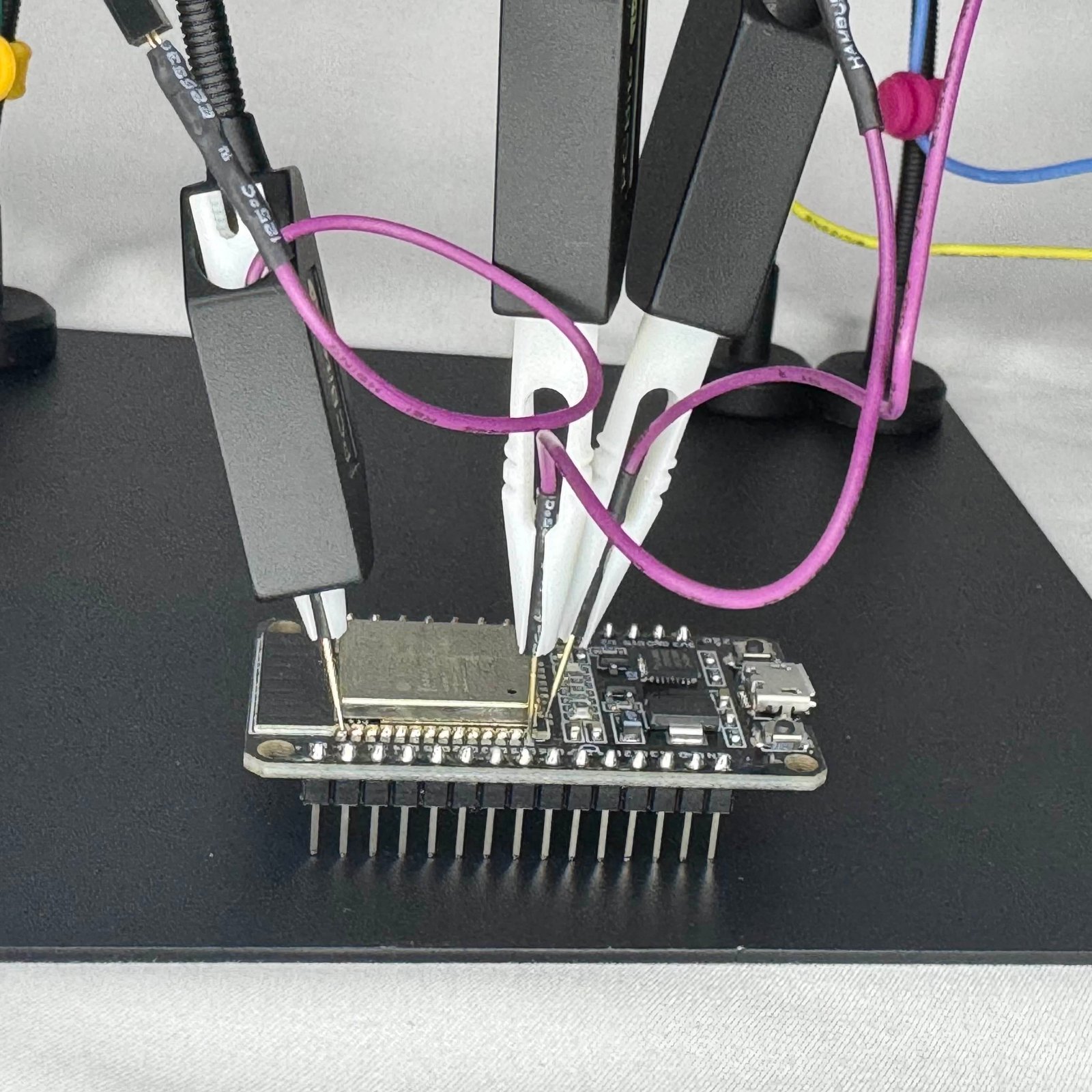
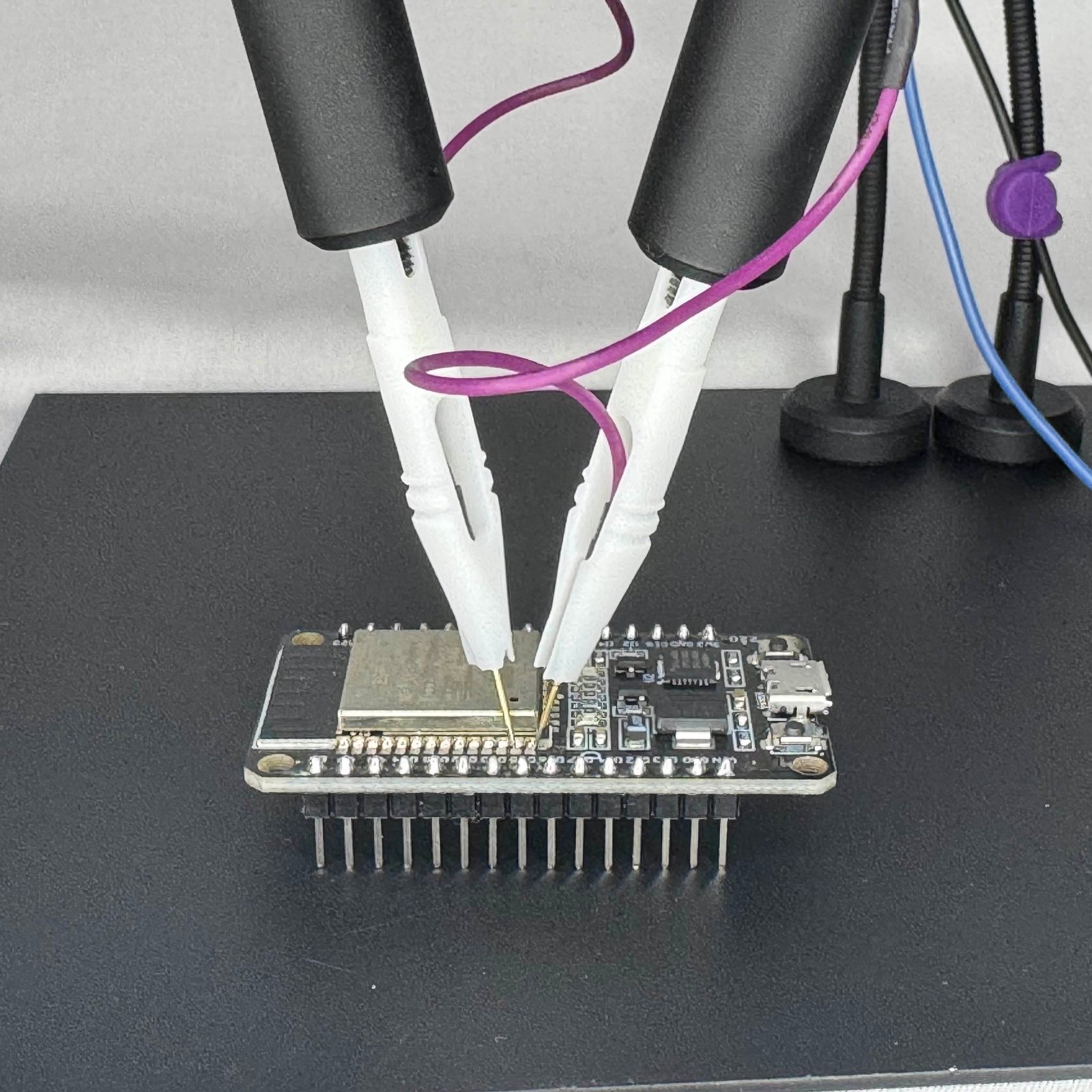
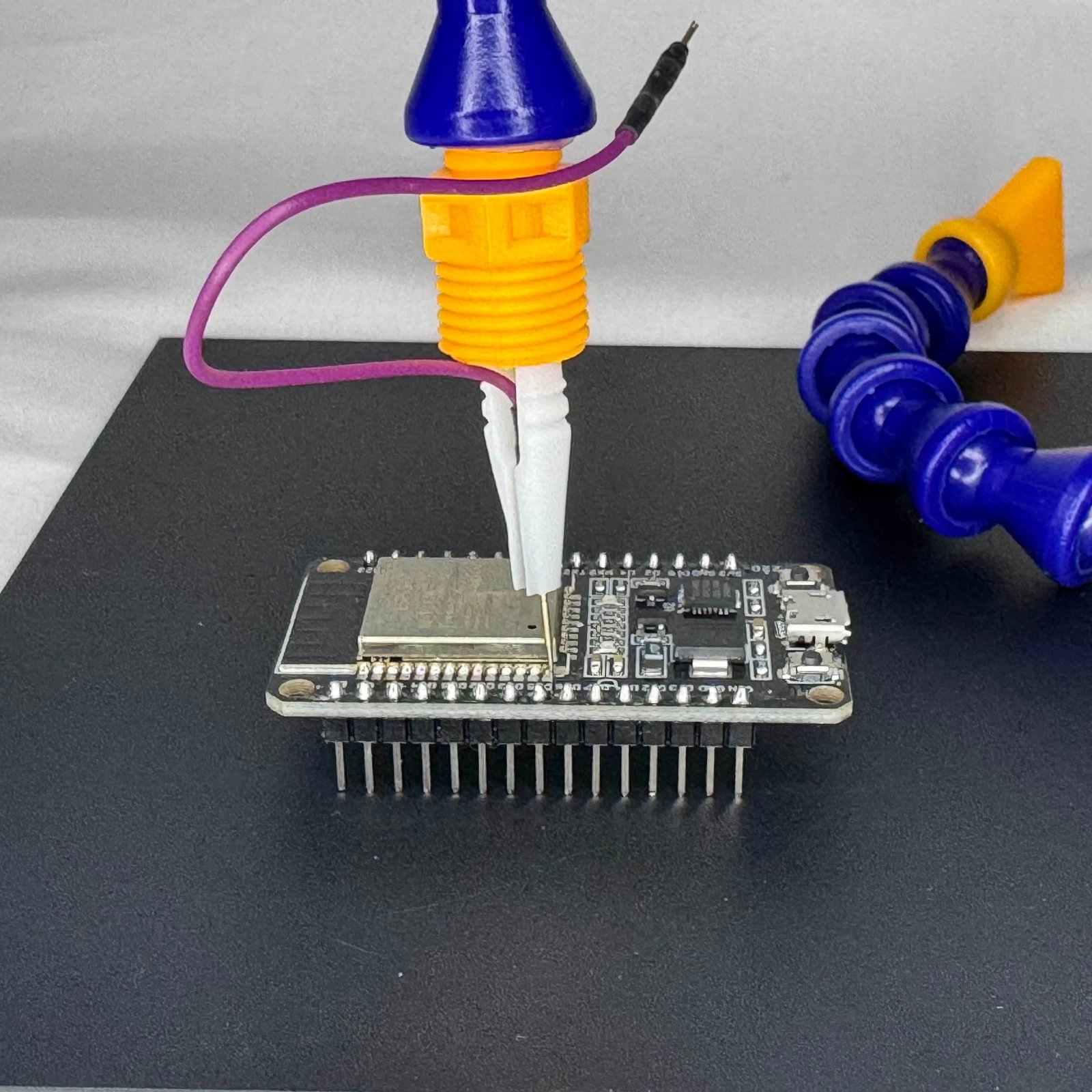
Now Retired
The center of gravity is kind of high, but otherwise really nice
— Coworker given a set for free
It being more narrow really pays off for these tiny 1.27mm jtag pads
— Nullstring during testing V1s
Yo dog you got the fresh tools
— Satisfied Customer


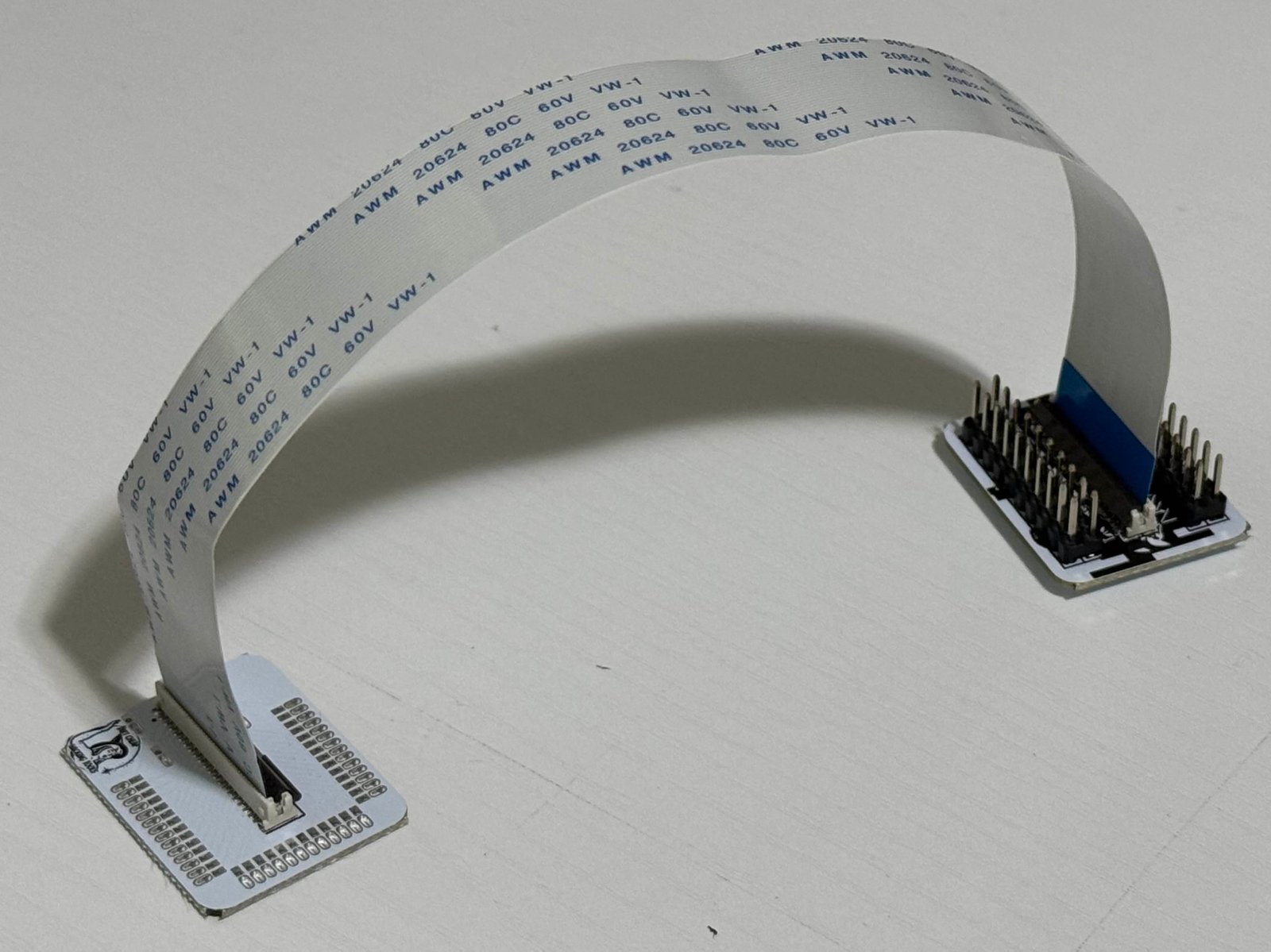
The ESP32anza is a clip-on debugging harness for common ESP32 SoMs. The design leverages FlexyPins to achieve an easy to apply and remove clip which can be applied directly to the castellated edges of the ESP32 SoM. Access to the pins is exposed via second board connected via FPC which provides plain 2.54mm pin headers for all target device pins.
Coming soon...
The Dirt Cheap Dialer is a retro pocket tone dialer designed around a SAMD21, LiPo battery, amplifier, and a speaker. The device features a full 12-button keypad, visual display, touchpads, rocker switches, and lots and lots of LEDs. Small enough to be kept in the pocket, but beautiful enough to want to wear on a lanyard.
Coming Soon...
The BananaPhone is a Bluetooth-to-RJ-11 FXS-SLIC which turns any landline into what your cellphone will see as a nice headset with external controls!
Don't you miss twirling the cord around your finger while you gossip with the girls? Don't you miss slamming the handset down on the base so hard the punk on the other end of the line would get an ear ache? Don't you miss the old Conair phones?!
WAKE UP, BB,
The Past is Calling!
Coming Soon...
The Dirt Cheap Filament Jam Sensor is an ADNS9800-based device which installs like a filament filter and monitors the motion of filament through itself during printing. The device can be configured to provide information like consumed filament and detected jams over Wi-Fi to a remote host, such as a Home Assistant instance, as well as be physically connected to a 3D printers filament runout sensor circuit.
The design motivation behind this device was a discovered difficulty in directly observing extruders to detect jams or grinds as opposed to a break or runout. Most extruders do not expose a view of the gears in a manner which can be easily observed in an affordable way. Rather than trying to figure out how to train some model and use some camera to detect this, I decided using something simple like a computer mouse would work way better.
This idea has been successfully tested with some COTS boards. ADNS9800 breakouts are pretty easy to acquire, and other than that you really only need a microcontroller. ESP32s make this very easy, so if you want to skip waiting and buying this from me, making your own should not be too bad!
Coming soon...
Nullstring's Prison Clear Payphone Back Pack is the best of ideas come up with in response to the question “what is the dopest thing you could make Prison Clear?”
Do you remember the Conair landline phones from the 80s and 90s? The clear ones, with all the colors inside?
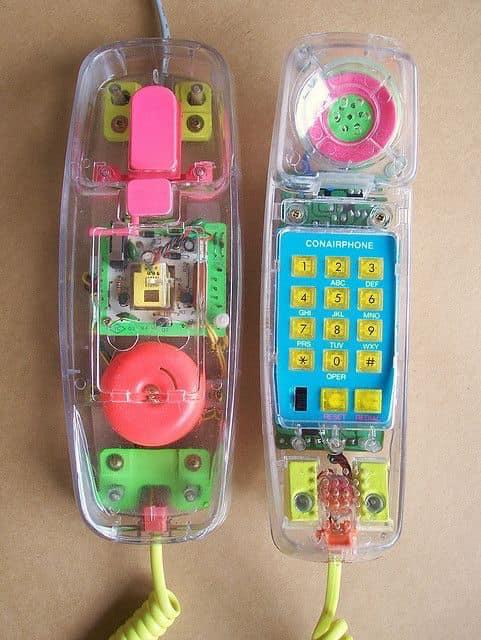
Envision that, but its a fully wireless, battery-powered, functioning payphone on a back pack frame!
You can't have one! BUT! You CAN have a BananaPhone! A BananaPhone is the core and heart of the Payphone Back Pack! It is a USB-C adapter to connect landline phones to your cellphone!
There are a couple of commercial cellphone adapters which enable the use of normal landlines by a cellphone, but they are primarily marketed to old folks and fairly expensive and difficult to obtain. On top of all that, these devices rely exclusively on Bluetooth to connect to a cellphone which is a real drag. Opening these devices up they are both ESP32-based and have some other stuff like what look like DACs.
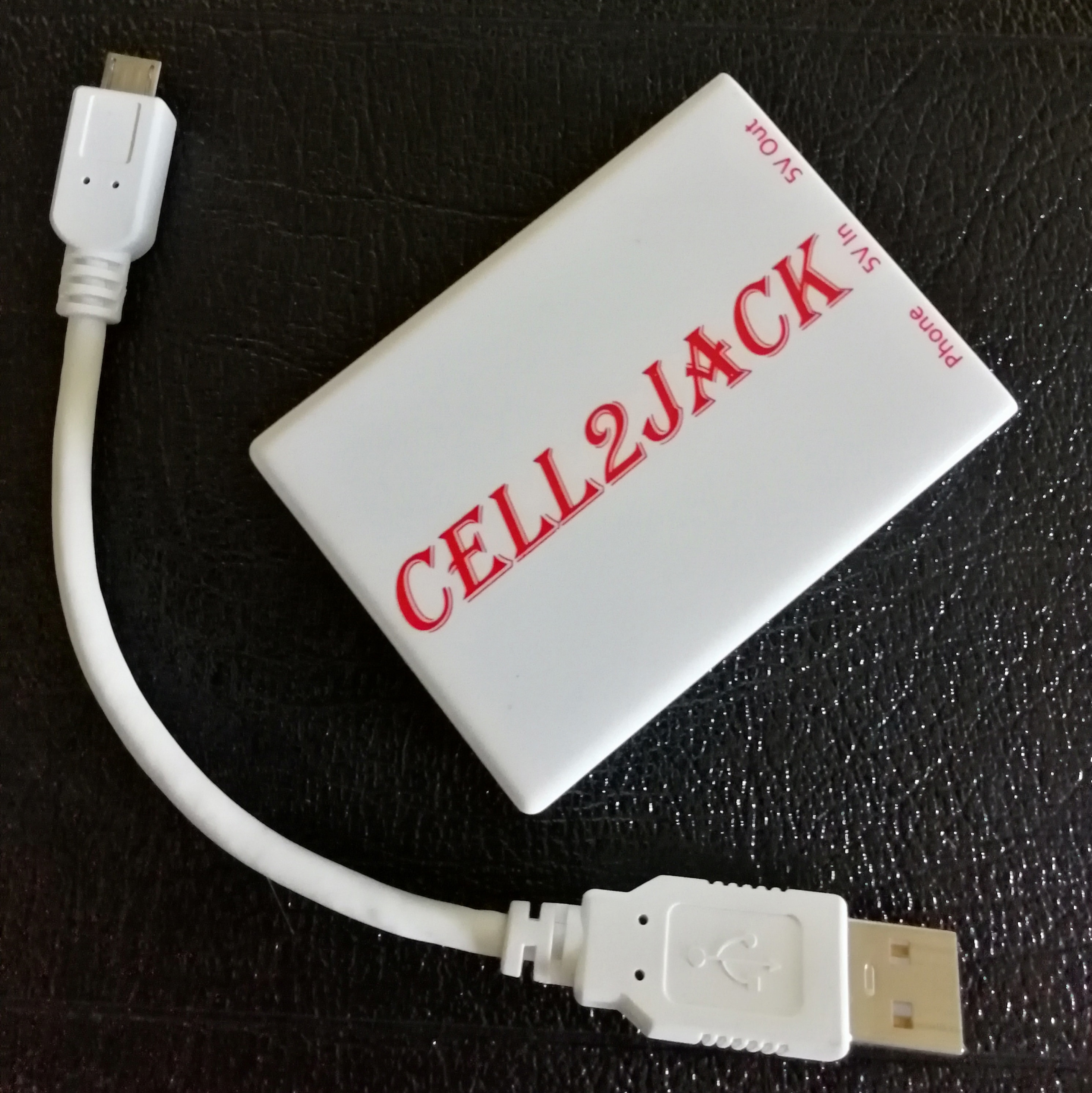

Using these devices, I set up a little demonstration at DEF CON 33 with a clear Conair landline phone, though most people were wary to try it out even if interested in seeing an old clear neon phone connected by wire to a fanny pack carried around.
Not good enough! While this was fun I would prefer to keep everything hardwired and leave the Bluetooth out of it, so I must go bespoke.
My initial plan was to buy a payphone and then cast a mold from it and use that to cast a resin housing. This turned out to be extremely difficult as the housing was in bad shape and very hard to get a good mold from.
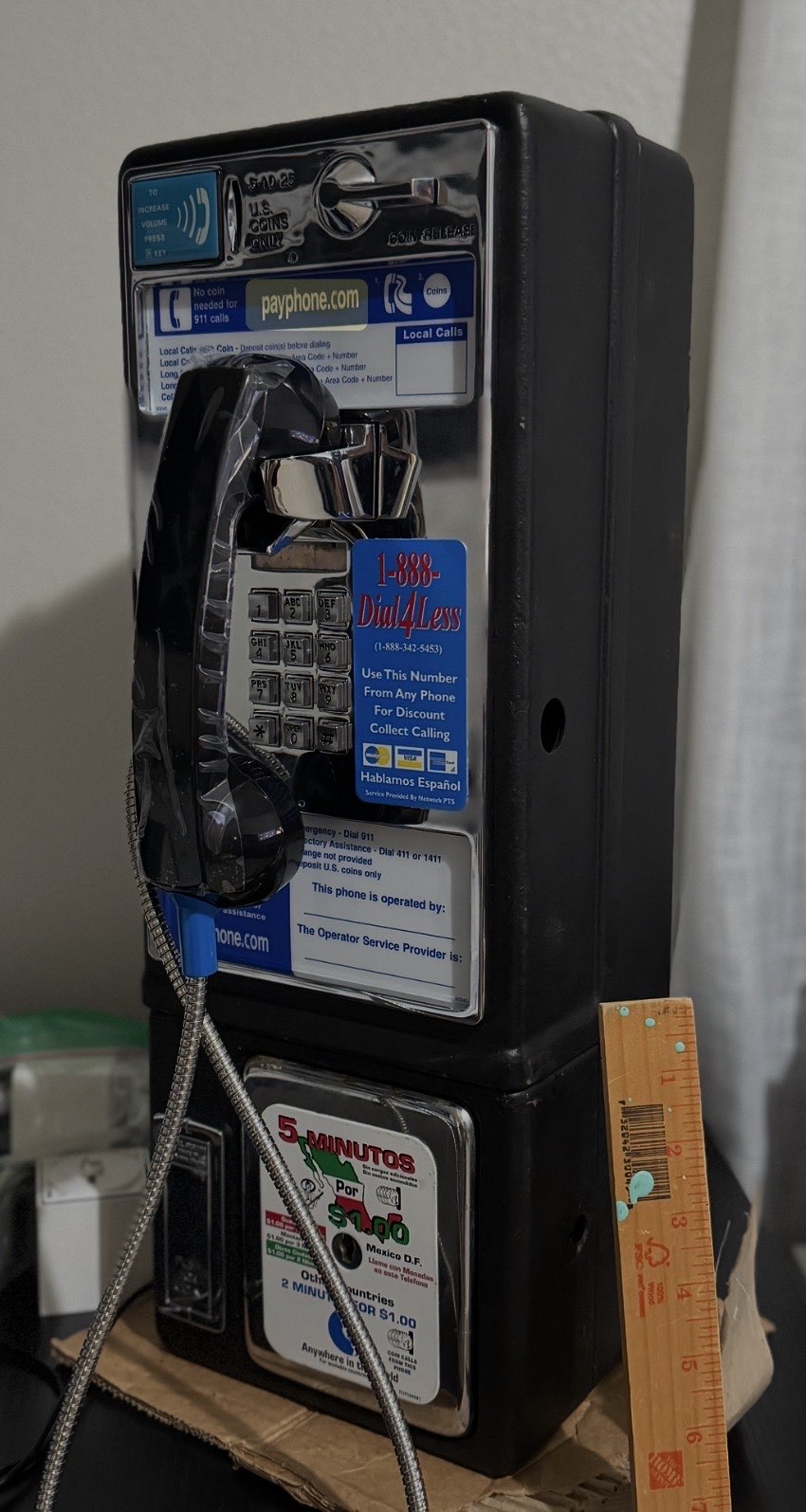
I gave up on this and decided to pursue 3D modeling for large scale SLA resin printing instead.
To accomplish this I downloaded some payphone models for reference and spent weeks calipering and measuring my own housing until I could FDM print sections to match perfectly with the mounting holes and shape and spirit of the real housing. Using clear resin also sheds the enormous 60lb weight of the steel housing. I started the CAD work in Tinkercad thinking it was going to be fairly simple, but soon had to switch to regular Autodesk.
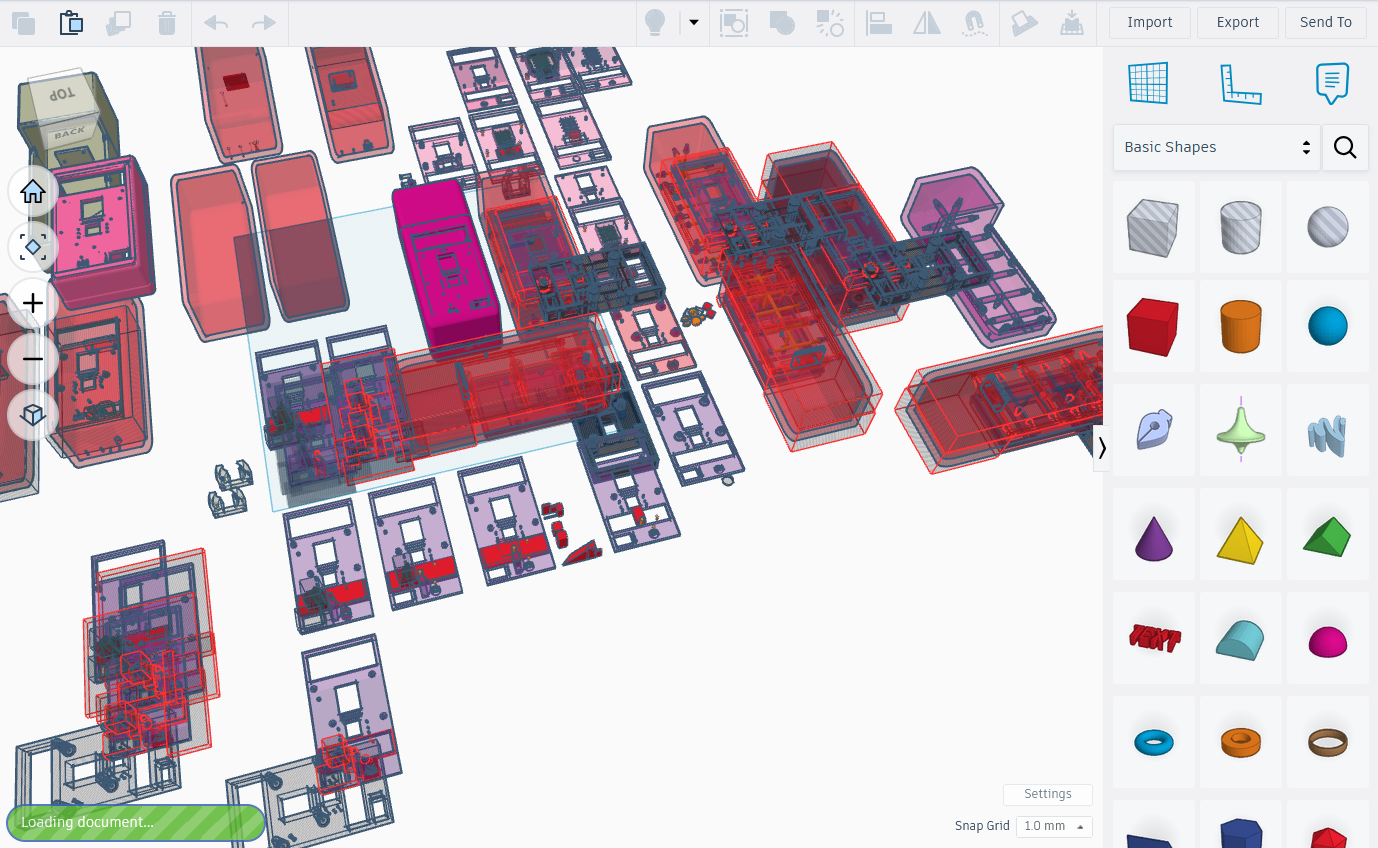
I modified the original payphone model to be slightly larger to accommodate both a thicker shell as well as interior mounting plates both for the original payphone parts as well as the boards and lights and such for my modifications. In addition, I also designed the housing to assemble a bit differently in order to better accommodate the big scary battery required for truly wireless operation.
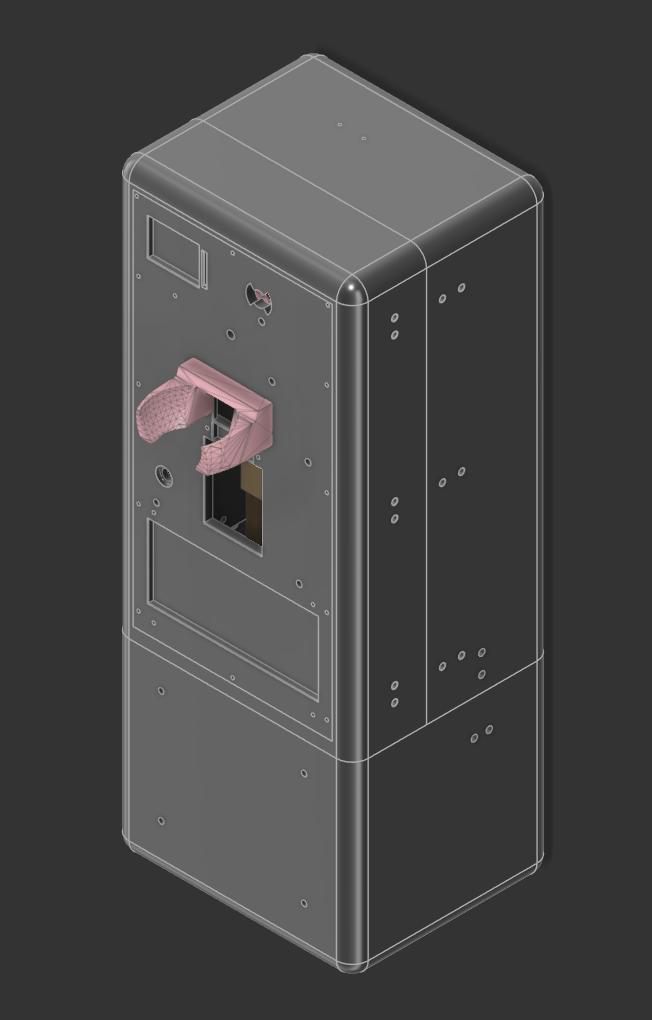
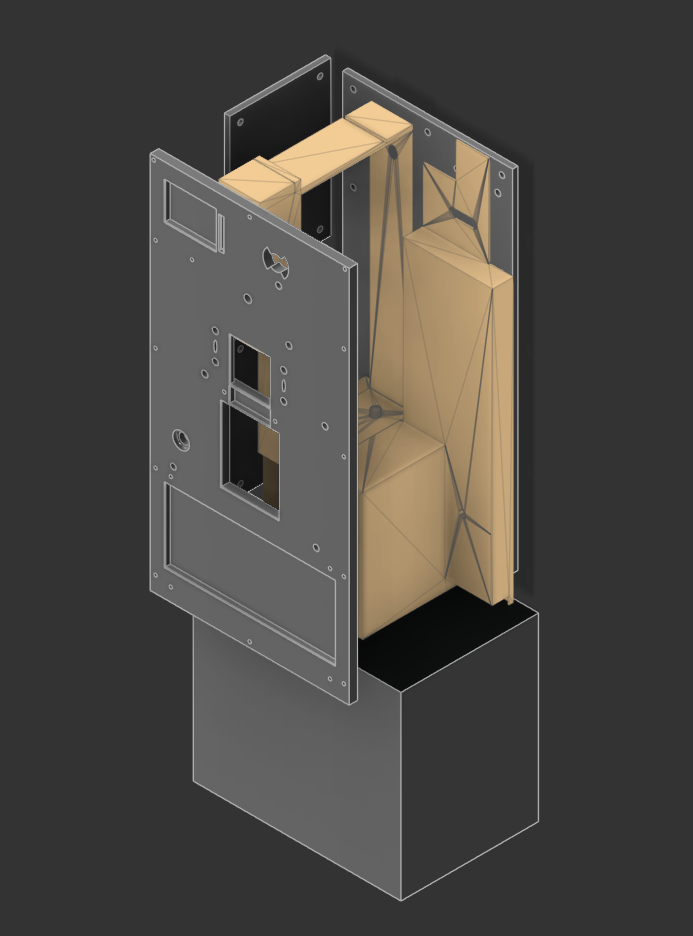
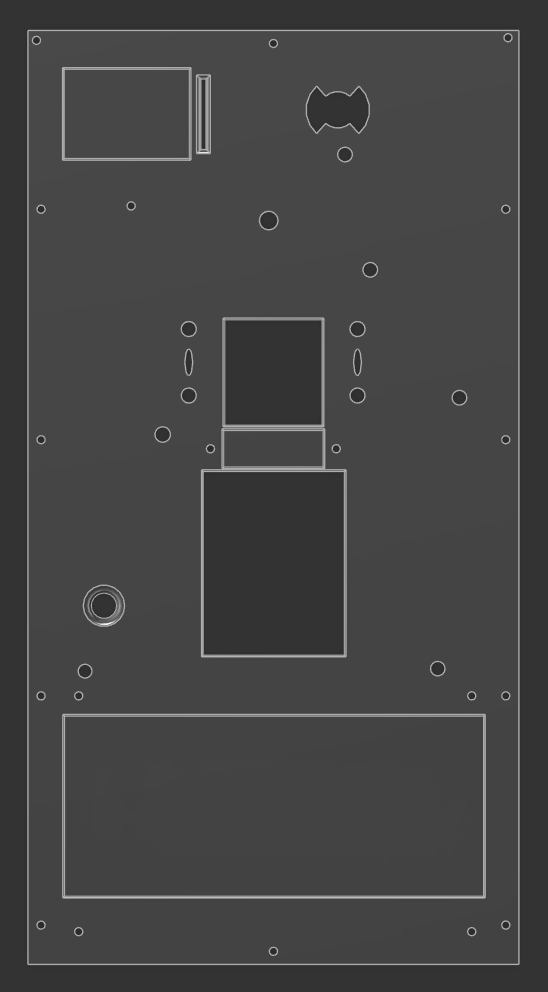
Oh no! it turns out none of the coin mechs I have fit when the battery is installed, so I have to make my own using optical endstop switches and CAD. If any consolation, at least this makes mounting the RFID reader easier.
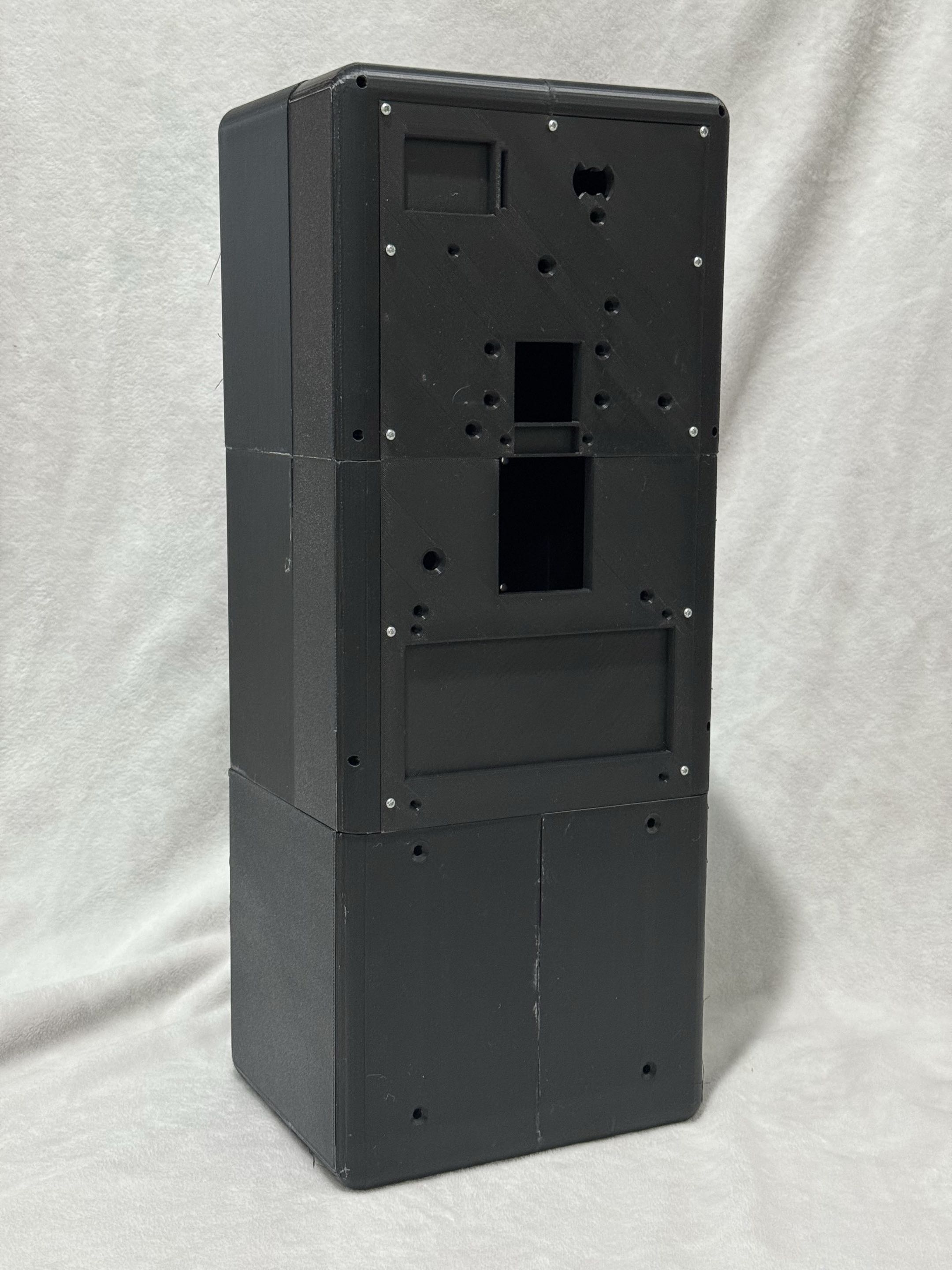
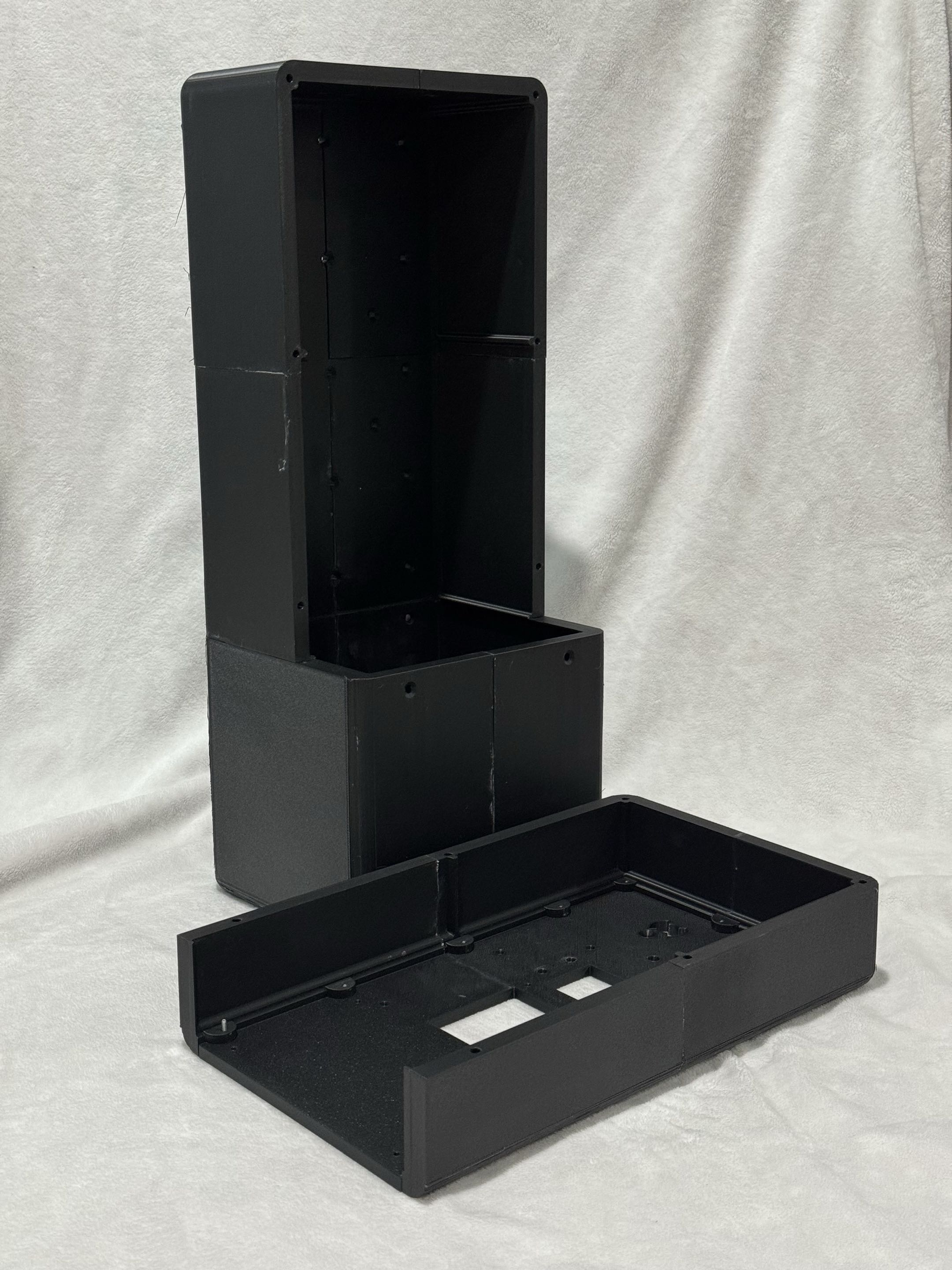
Tariffs make it insanely expensive and I would like to only do it once. There are no photos of this as I have not ordered it yet.
Bespoke Coin MechanismThe main controller board will feature a ProSLIC chip and a high-speed USB isolator for the connection to a cellphone.
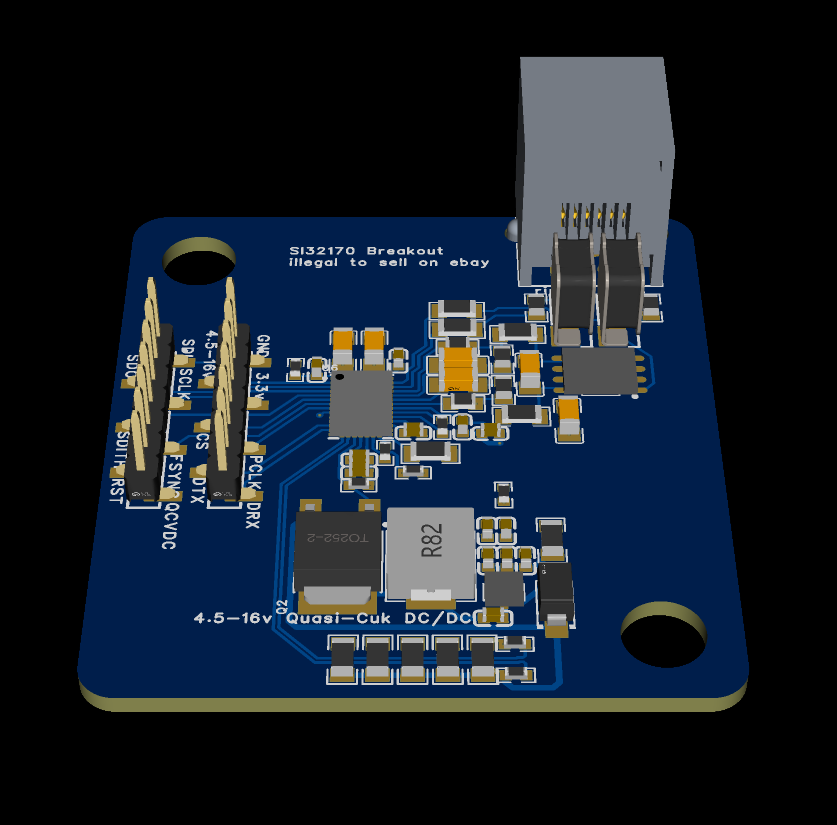
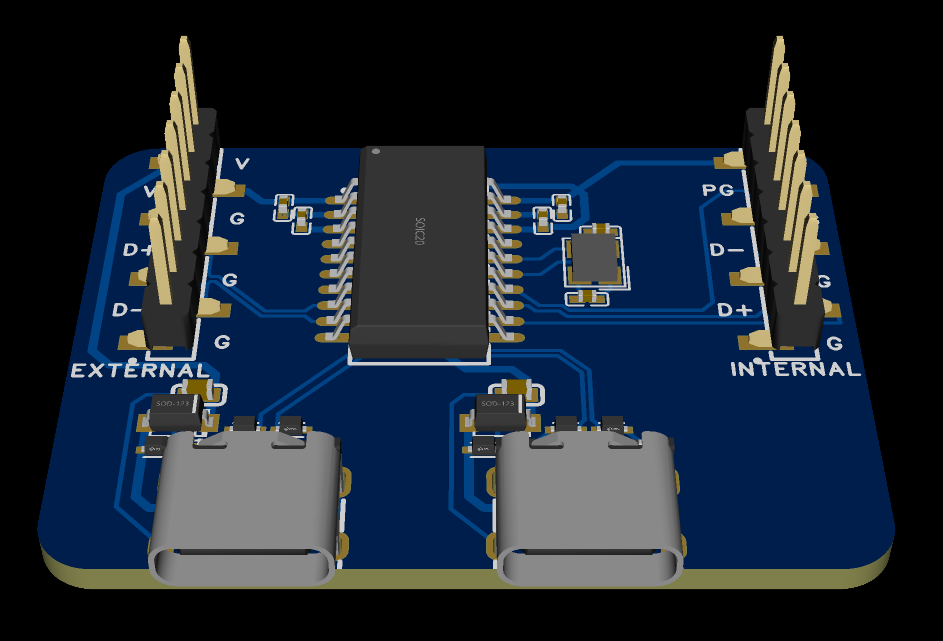
The ProSLIC test boards have arrived!
picture
Displays
coming soon, it takes forever to put graphics up on this
A fancy camera with an e-paper display and an accelerometer so you can shake it to display captured photos!
The E-Paper Polaroid Badge is was a planned Unofficial DEF CON badge featuring:
A COTS cobbled version of this design was worn at #DEFCON32.
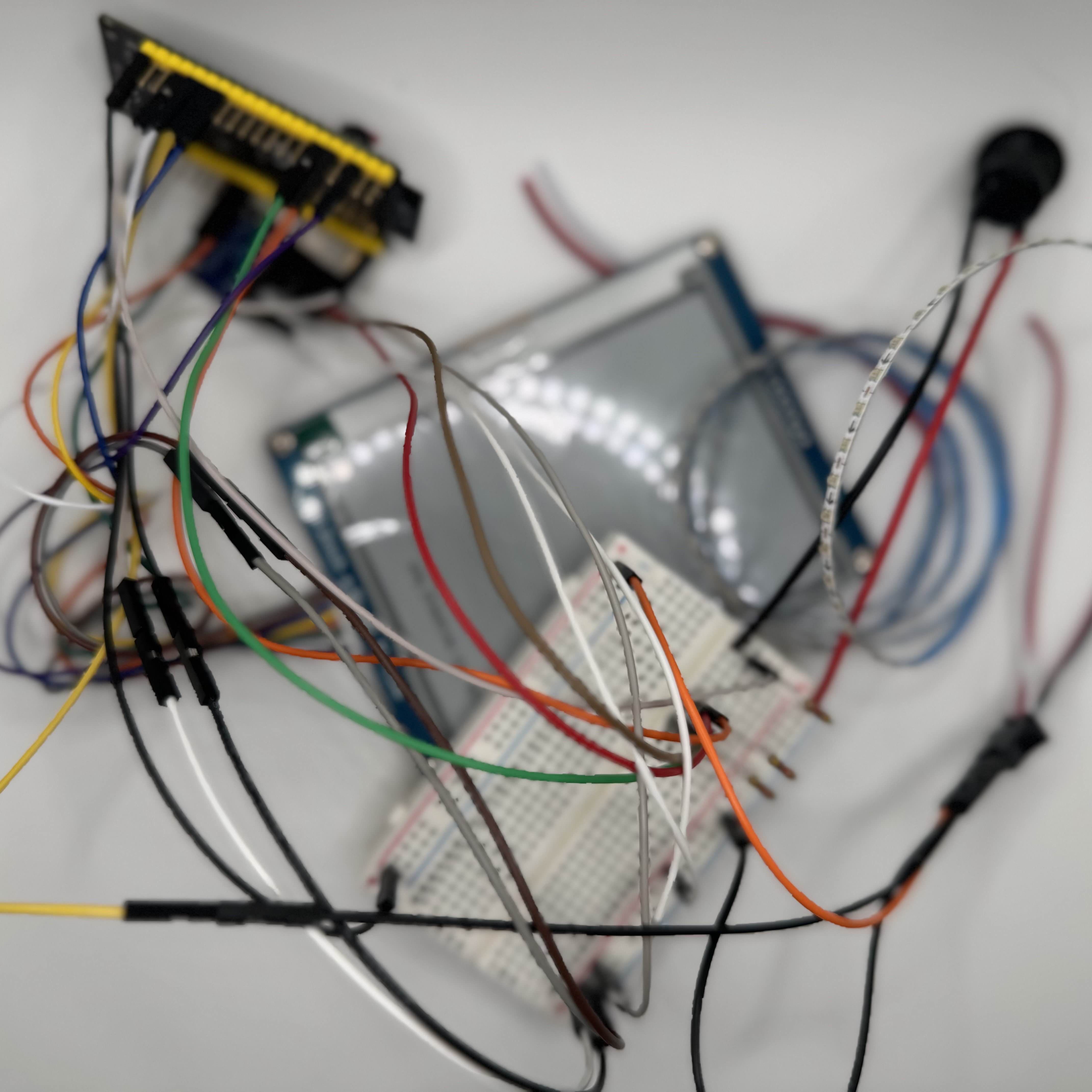
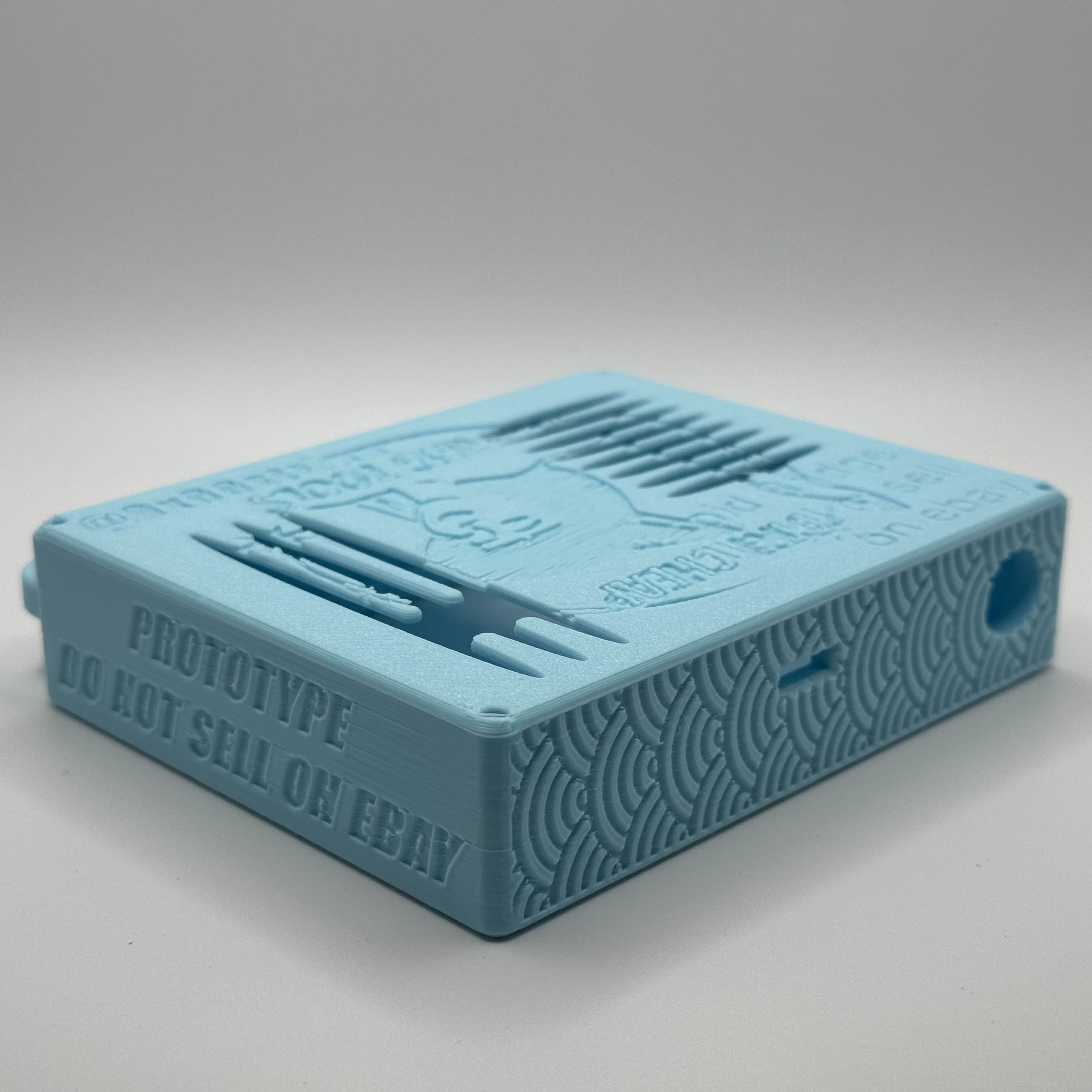
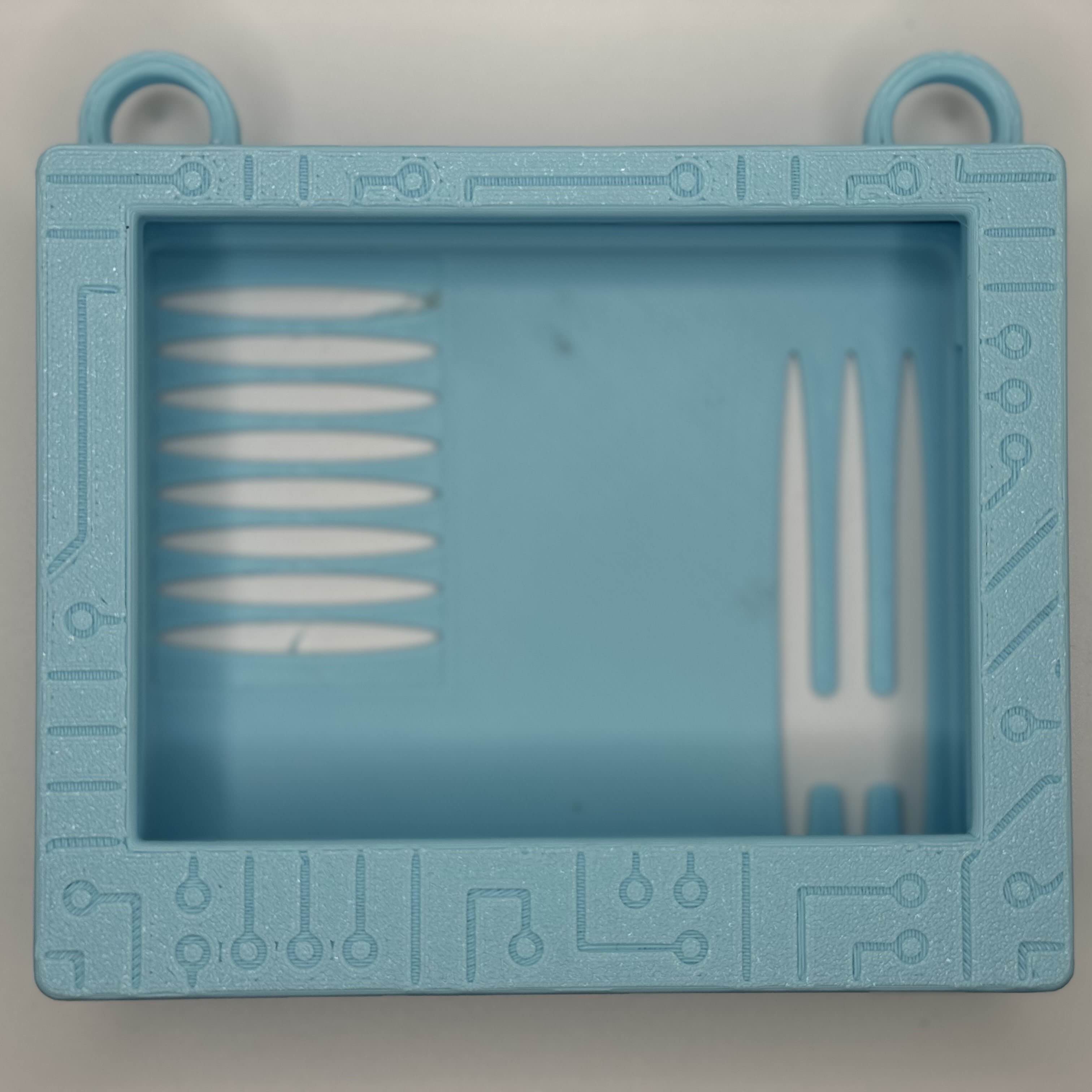
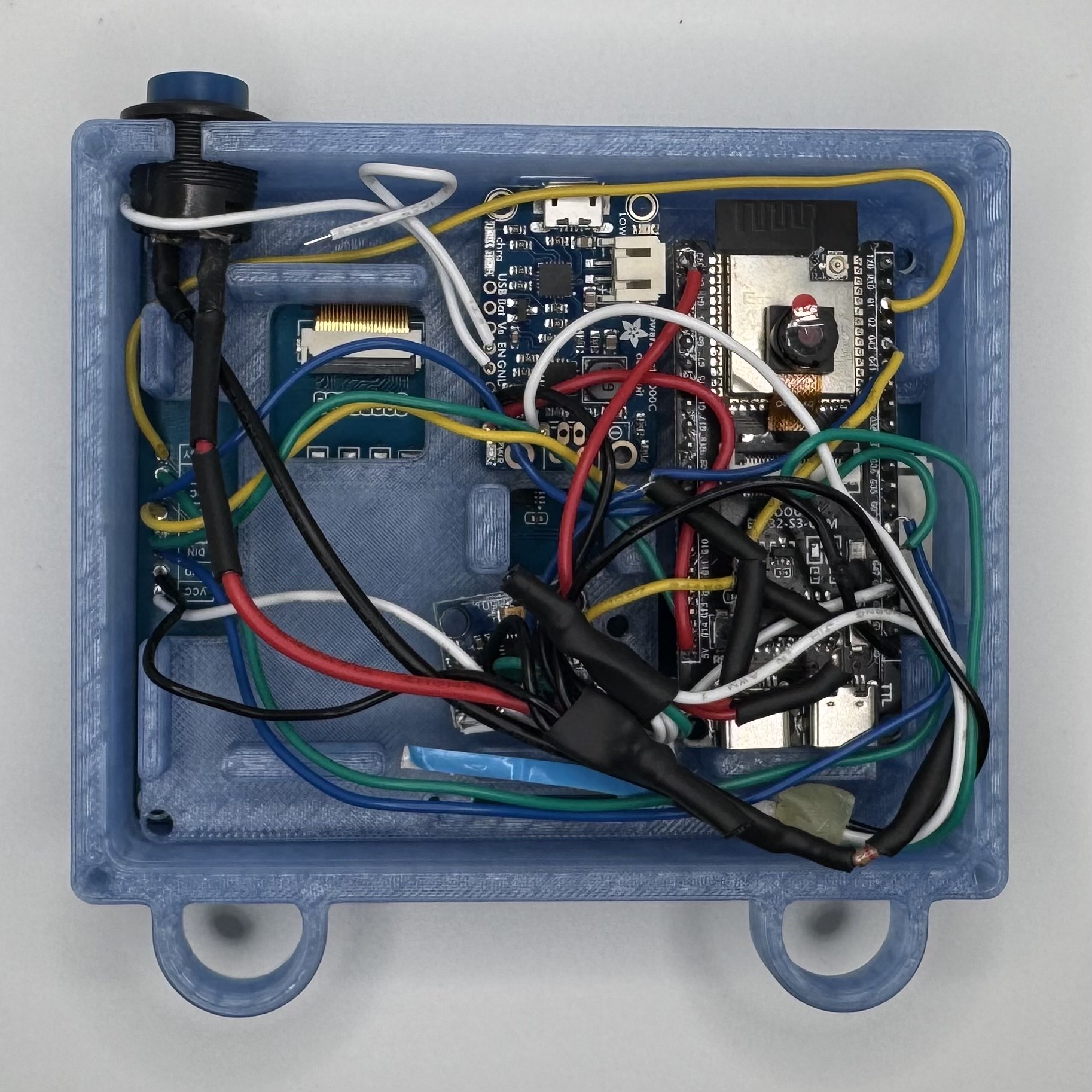
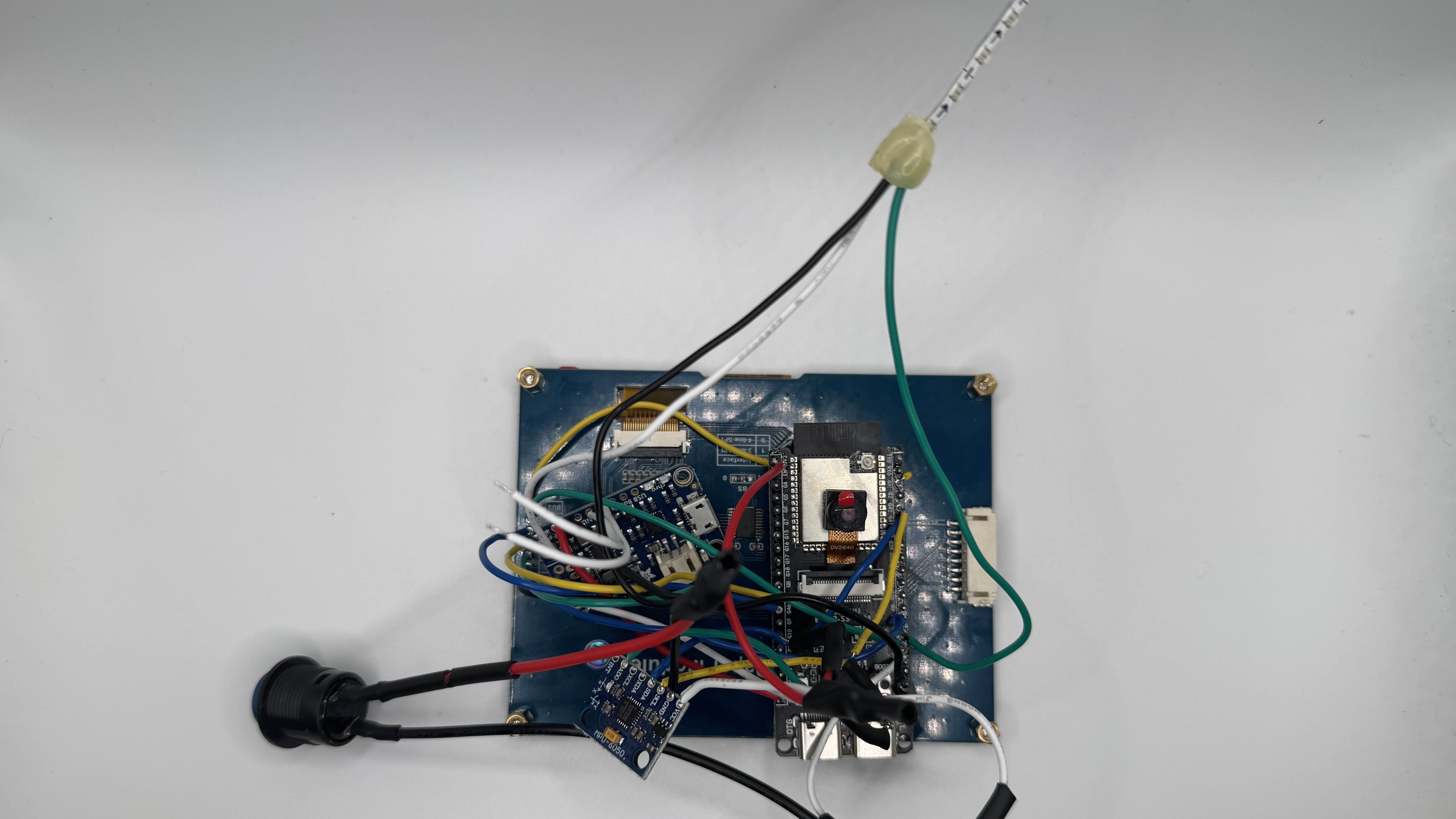
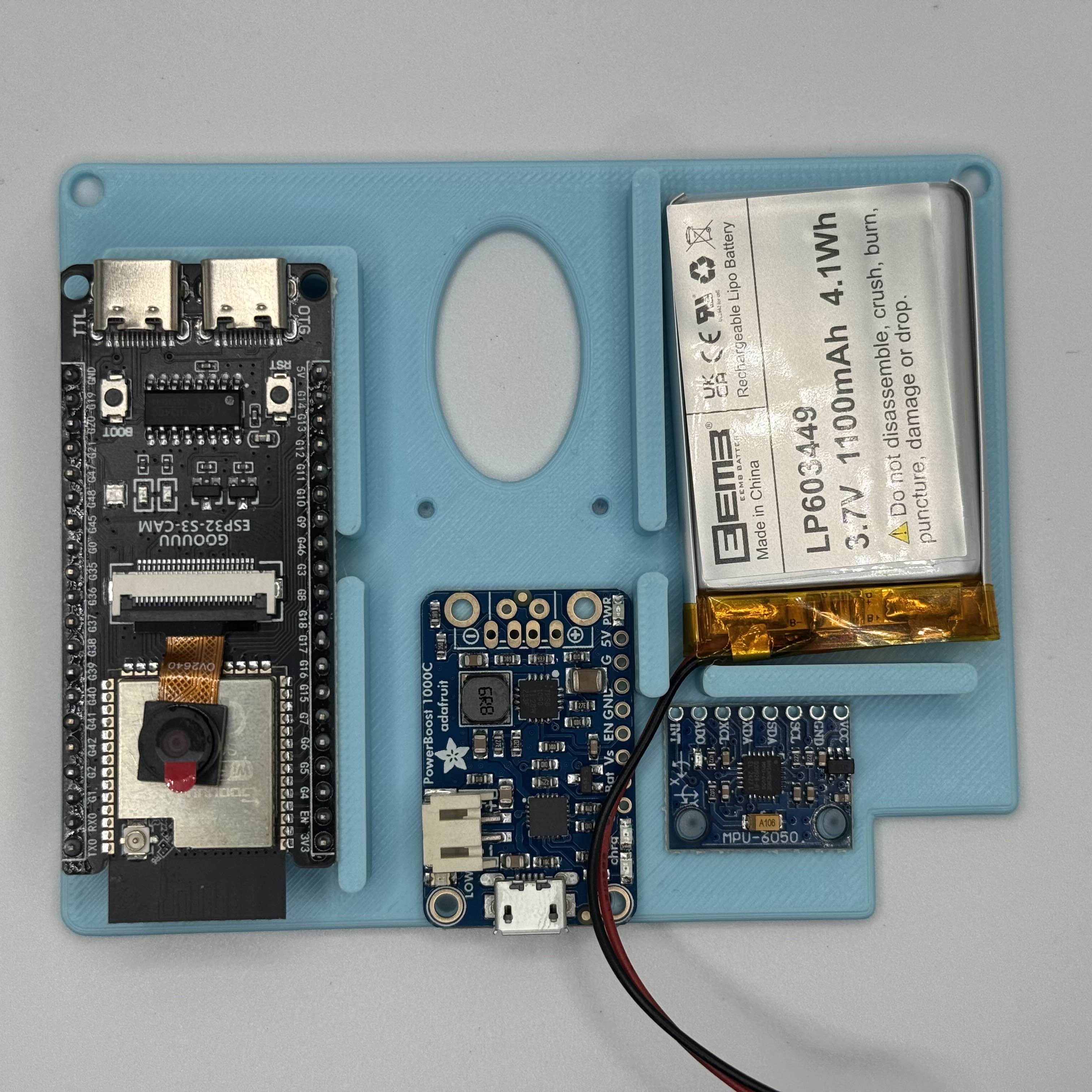
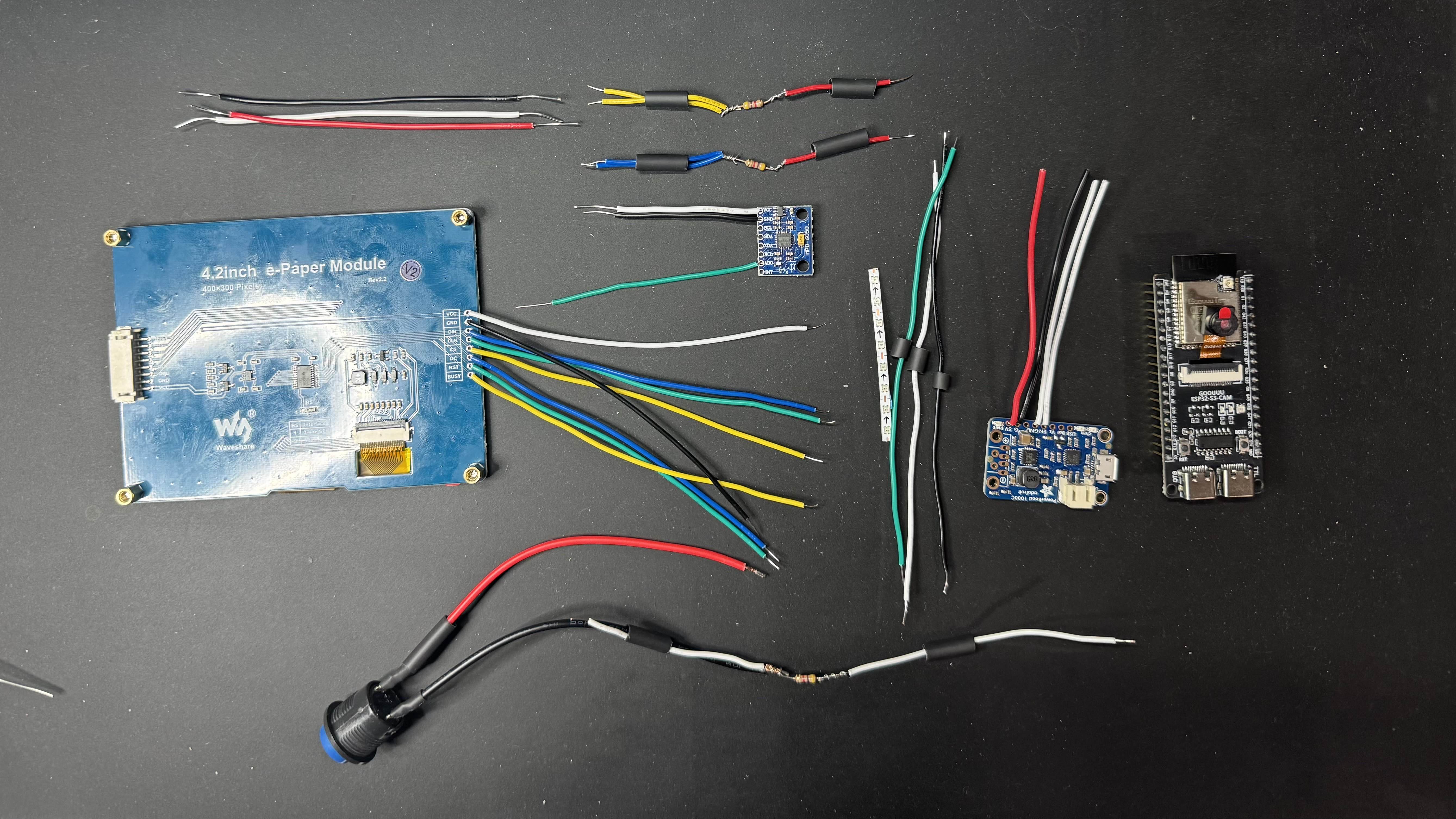
Killed in the crib.
Note: I stopped working on this project after I saw that I had missed that Adafruit has an OV2640 camera that is almost the exact design I was making except with an OLED or something instead of an e-paper.